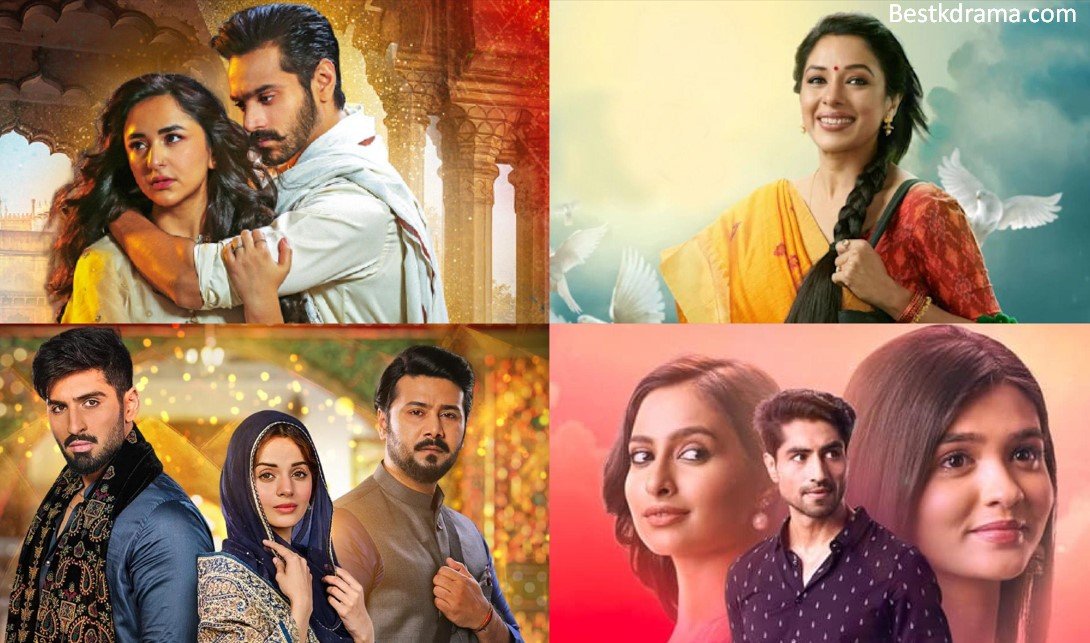
Picture this: It is a quiet Sunday evening in India, and instead of tuning into a never-ending local daily soap, millions of families are glued to YouTube. They are waiting for the latest episode of a Pakistani drama. If you have scrolled through Instagram or YouTube recently, you have likely heard a soulful Urdu OST or seen snippets of Wahaj Ali and Yumna Zaidi lighting up the screen.
The popularity of the Pakistani drama in India is no longer a niche trend; it is a full-blown cultural phenomenon. Viewers across the border have found immense comfort in these shows. But what exactly makes them so irresistible? Why are Indian viewers choosing shows made in Karachi or Lahore over their own local television content?
The answer lies in the storytelling. These television shows strip away the loud background music, the heavy jewelry, and the exaggerated camera pans. Instead, they offer raw human emotions, realistic family dynamics, and scripts that feel like classic literature brought to life.
In this comprehensive guide, we will explore everything you need to know about this entertainment wave. From the top-rated masterpieces and the actors who rule our hearts to the exact reasons why a Pakistani drama easily beats traditional Indian soap operas, get ready to update your watchlist.
The Unstoppable Rise of the Pakistani Drama in India
The love affair between Indian audiences and Pakistani television is not entirely new. Long before the era of digital streaming, people in border states like Punjab and Rajasthan would adjust their rooftop antennas to catch signals from PTV (Pakistan Television). Families in the 1980s would rent chunky VHS tapes to watch classic hits like Dhoop Kinare and Tanhaiyaan.
However, the real explosion happened in 2014 when an Indian television network launched the Zindagi channel. Suddenly, urban Indian households were introduced to Fawad Khan and Mahira Khan. Shows like Zindagi Gulzar Hai and Humsafar became dinner-table conversations. Indian viewers, fatigued by daily soaps that dragged on for thousands of episodes, found a breath of fresh air in these finite, 25-episode stories.
Today, the landscape has shifted to the internet. Because of geopolitical tensions, traditional broadcasting halted, but the internet knows no borders. Platforms like YouTube have democratized access. Top Pakistani production houses now upload episodes in 4K resolution directly to YouTube, mere hours after their television broadcast. This accessibility has allowed a modern Pakistani drama to easily rack up over 20 to 30 million views per episode, with a massive chunk of that audience sitting right here in India.
7 Reasons Why Indians Are Obsessed with Pakistani Dramas
You might wonder how shows from a neighboring country dominate Indian streaming habits. The secret recipe involves a mix of cultural familiarity and high-quality production. Here are seven undeniable reasons behind this massive success.
1. Finite Storylines and Fast Pacing
The biggest advantage of a Pakistani drama is its length. Most shows wrap up within 25 to 35 episodes. The script is written, finalized, and locked before the first day of shooting. This means the story has a clear beginning, middle, and end. The writers do not drag the plot needlessly just because the show is getting high TRPs (Television Rating Points). If a character dies, they stay dead. If a conflict is resolved, the show moves toward its natural climax.
2. Realistic and Relatable Characters
Unlike Indian serials where the mother-in-law is pure evil and the daughter-in-law is a flawless angel, Pakistani characters have grey shades. They feel like real people. A hero can be flawed, arrogant, or vulnerable. A female lead might cry, but she also takes a stand for her career or self-respect. The domestic politics shown in these dramas mirror the actual arguments you might hear in any middle-class South Asian home.
3. The Charm of the Urdu Language
There is an undeniable magic to the Urdu language. Indian viewers are deeply attracted to the tehzeeb (etiquette) and adab (respect) showcased in the dialogue. Words like masla (problem), sukoon (peace), and mohabbat (love) flow beautifully. The fusion of Hindi and Urdu feels like a pleasant murmur to the ears, making everyday conversations sound incredibly poetic.
4. Incredible Original Soundtracks (OSTs)
You cannot talk about a Pakistani drama without praising its music. The Original Soundtracks (OSTs) are chart-toppers. Sung by legends like Rahat Fateh Ali Khan, Atif Aslam, Shafqat Amanat Ali, and Ali Sethi, these title tracks often go viral on Instagram Reels before the show even becomes a hit. The OSTs set the emotional tone of the story and stay on Indian Spotify playlists long after the show ends.
5. Modest but Stunning Fashion and Aesthetics
The styling in these television shows is a major draw. Viewers in India constantly take screenshot references of the outfits for their local tailors. The fashion is elegant, modest, and highly wearable. You see women wearing beautiful cotton kurta sets, elegant chikankari dupattas, and minimalistic makeup while lounging at home. This is a stark contrast to Indian soaps where characters wake up fully dressed in heavy silk sarees and bridal jewelry.
6. Subtlety Over Melodrama
If someone drops a glass in a Pakistani drama, you hear the glass break once, and the scene moves on. There are no sudden lightning flashes, no glass-shattering sound effects, and absolutely no jarring camera zooms capturing the shocked faces of five different family members. The execution relies entirely on the actor’s facial expressions and silent, lingering glances.
7. Focus on Real-Life Social Issues
While romance is a core theme, these shows never shy away from highlighting real societal problems. They tackle issues like domestic abuse, child marriage, the pressure to produce a male heir, mental health struggles, and workplace harassment. Because they ground these issues in realistic settings, the messaging hits home without feeling like a preachy public service announcement.
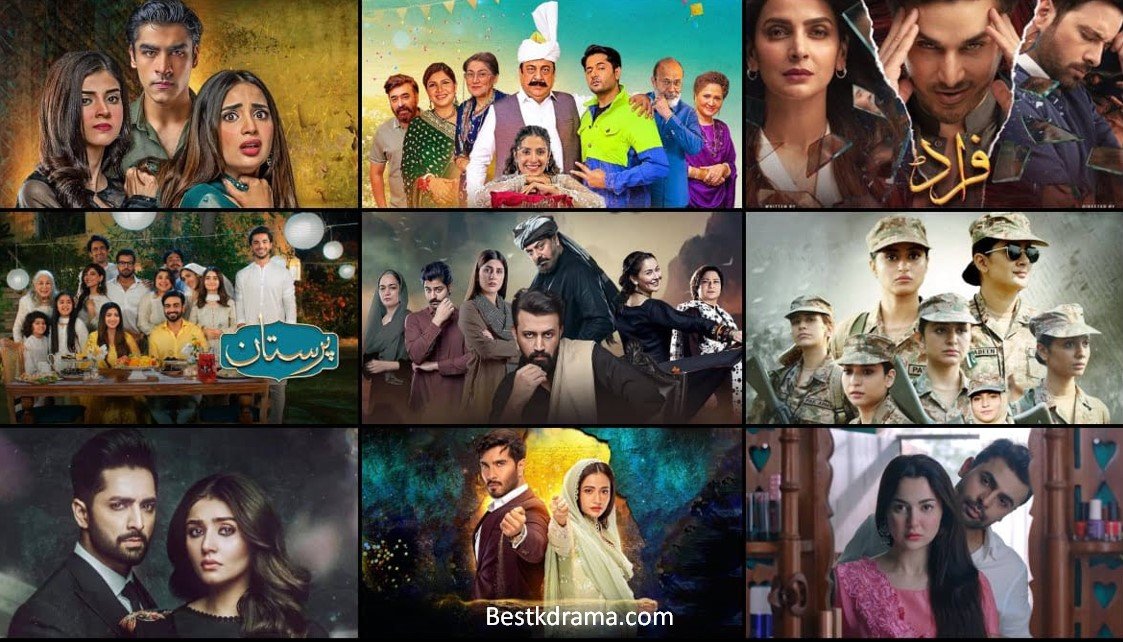
Top 10 Must-Watch Pakistani Dramas for Indian Viewers
If you are new to this world, picking the right show can be overwhelming. Here is a curated list of the ten best shows that have completely conquered the Indian audience.
1. Zindagi Gulzar Hai
This is the ultimate starter pack. Starring Fawad Khan (Zaroon) and Sanam Saeed (Kashaf), this story explores the clash between class, gender, and personal insecurities. Kashaf is a pessimistic, hardworking girl from a modest background, while Zaroon is a wealthy, charming, but subtly chauvinistic boy. Their college rivalry slowly turns into a mature, respectful marriage.
2. Humsafar
The show that broke all records. Featuring Mahira Khan (Khirad) and Fawad Khan (Ashar), Humsafar is a heartbreaking tale of love, betrayal, and misunderstandings. The chemistry between the lead pair is legendary. It remains the gold standard for romantic angst in South Asian television.
3. Tere Bin
A recent blockbuster that took India by storm. Starring Wahaj Ali (Murtasim) and Yumna Zaidi (Meerab), Tere Bin is an enemies-to-lovers saga set against a feudal backdrop. Murtasim’s intense love and Meerab’s fierce rebellion created a fiery dynamic that generated billions of views on YouTube.
4. Mere Humsafar
This show became a massive hit in India due to the character of Hamza (played by Farhan Saeed). He set a new benchmark for the “green flag” male lead. He falls in love with his traumatized, oppressed cousin Hala (Hania Aamir) and protects her from his own toxic family. It is a comforting tale of healing and gentle love.
5. Parizaad
Stepping away from traditional romance, Parizaad is a masterpiece of storytelling. It follows the life of a dark-skinned, impoverished boy named Parizaad (Ahmed Ali Akbar) who faces constant rejection due to his looks. His journey from an innocent poet to a wealthy, hardened mafia boss is purely mesmerizing.
6. Suno Chanda
If you want to laugh out loud, this is the perfect pick. A Ramadan special romantic comedy, Suno Chanda features Iqra Aziz and Farhan Saeed as bickering cousins forced into a Nikkah (marriage contract) by their large, chaotic joint family. It is lighthearted, incredibly funny, and full of festive vibes.
7. Kabhi Main Kabhi Tum
A massive recent hit featuring superstar Fahad Mustafa and Hania Aamir. It tells the story of two contrasting personalities navigating life after a sudden, unexpected marriage. The show won Indian hearts with its realistic portrayal of middle-class struggles, sibling rivalry, and the quiet beauty of an evolving partnership.
8. Ishq Murshid
A delightful fairytale romance. Bilal Abbas Khan plays Shahmeer, a wealthy politician’s son who disguises himself as a poor clerk to win the heart of Shibra (Durefishan Saleem), a principled and middle-class girl. The comedy, the romance, and the viral OST made this show an instant classic.
9. Khaani
A gripping thriller and tragic romance. It revolves around a powerful politician’s son (Feroze Khan) who murders a boy in cold blood, only to fall obsessively in love with the victim’s sister, Khaani (Sana Javed). It explores themes of power, grief, and divine justice.
10. Yaqeen Ka Safar
A beautifully woven story of two individuals, Asfi (Ahad Raza Mir) and Zubia (Sajal Aly), battling their dark pasts. Set partially in a beautiful mountainous hospital, it is a medical drama mixed with a deeply emotional journey of redemption, trust, and subtle romance.
The Magic Makers: Top Pakistani Actors Loved in India
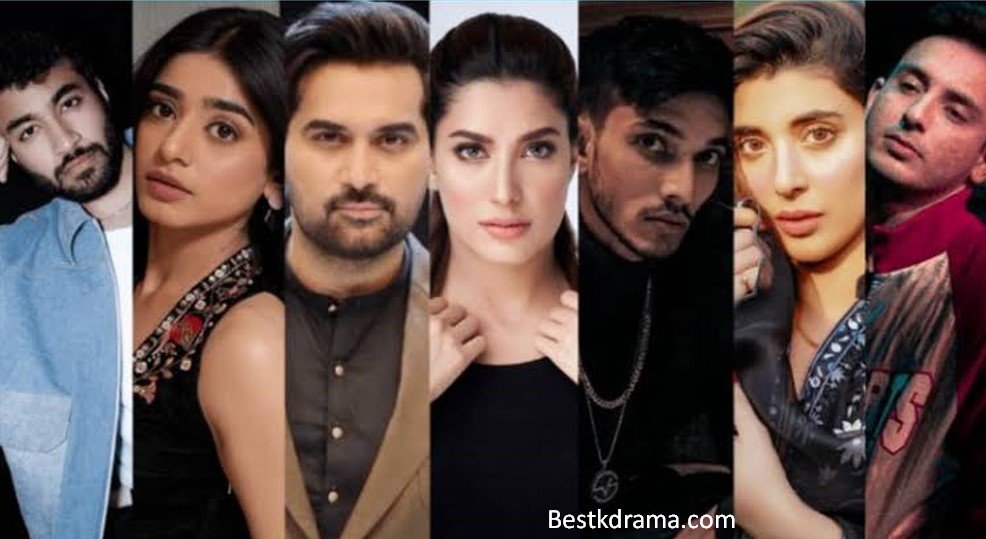
A major factor behind the success of any Pakistani drama is the sheer talent of its cast. Some actors have achieved a cult-like following across the border.
- Fawad Khan: The ultimate heartthrob. Even though his television era was short, his impact was permanent. His intense gaze and sophisticated dialogue delivery made him a household name in India, eventually leading to a successful stint in Bollywood.
- Mahira Khan: The undisputed queen of the industry. Her expressive eyes and natural acting style make her highly relatable. Indian fans adore her grace and emotional depth on screen.
- Wahaj Ali: Currently ruling the internet. His portrayal of Murtasim in Tere Bin earned him a massive fandom in India. His ability to convey complex emotions using just his body language and eyes is unmatched.
- Yumna Zaidi: Known as the powerhouse of talent. She never relies on glamour. From playing a blind girl to a fierce rebel, her script choices and acting chops have earned her immense respect from Indian critics and viewers alike.
- Bilal Abbas Khan: The most versatile actor of his generation. Whether he is playing an innocent romantic, a charming fraud, or a deeply disturbing villain, Bilal nails every single nuance.
- Hania Aamir: With her infectious smile and bubbly off-screen persona, she represents the modern youth. Her shows consistently perform phenomenally well on the Indian YouTube trending charts.
The Masterminds: Writers Who Shape the Narratives
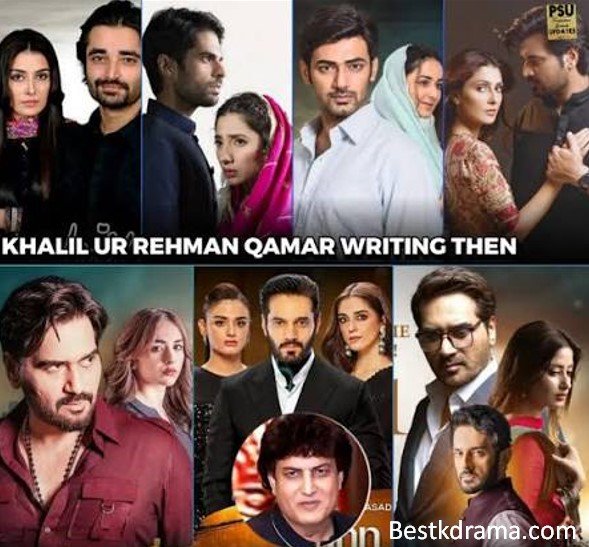
Unlike Indian television where producers and channel heads dictate the storyline, the true heroes of the Pakistani drama industry are the scriptwriters. The literary quality of the shows comes from legendary authors who adapt their own Urdu novels for the screen.
- Umera Ahmed: Known for Zindagi Gulzar Hai and Alif, her stories often blend romance with deep spiritual awakenings and societal reflections.
- Farhat Ishtiaq: The queen of romance. She wrote Humsafar and Yaqeen Ka Safar. Her male characters are usually deeply respectful, broken, and passionately in love.
- Hashim Nadeem: The brain behind Parizaad and Khuda Aur Muhabbat. His scripts are grand, philosophical, and focus heavily on male protagonists, fatalism, and intense, poetic tragedies.
Indian TV Serials vs. Pakistani Dramas: A Fair Comparison
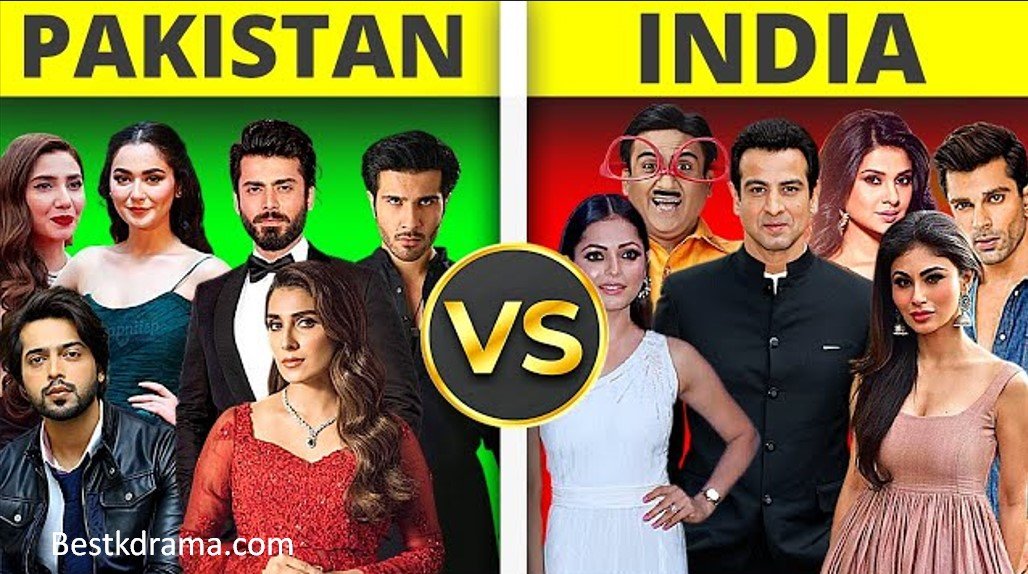
To understand why Indians are switching to cross-border content, we need to look at the structural differences between the two industries.
| Feature | Indian Daily Soaps | Pakistani Dramas |
| Duration | 500 to 2,000+ episodes (runs for years) | 25 to 35 episodes (runs for 4-6 months) |
| Pacing | Very slow; one scene can stretch for days | Fast-paced; the story moves forward every episode |
| Scripting | Written day-by-day based on TV ratings | Completely pre-written before shooting begins |
| Aesthetics | Heavy makeup, bridal wear in the kitchen | Realistic, everyday cotton clothes, minimal makeup |
| Camera Work | Rapid zooms, extreme close-ups, dizzying edits | Steady frames, natural lighting, cinematic quality |
| Audio/Music | Loud sound effects, dramatic background scores | Subtle ambient sounds, highly emotional title tracks |
The Indian television industry operates on a high-volume, daily broadcast model. The pressure to deliver 22 minutes of content every single day results in stretched storylines. In contrast, Pakistan operates on a weekly broadcast model (like western TV shows), allowing for better post-production, nuanced acting, and tight scripts.
Where to Watch Pakistani Dramas in India (Legally & Free)
The best part about this content is its accessibility. You do not need expensive subscriptions to enjoy these masterpieces. Here is where you can find them:
- YouTube (The Primary Hub): Almost all major networks upload their episodes for free.
- ARY Digital: Home to massive hits like Mere Humsafar, Kabhi Main Kabhi Tum, and Mein.
- Hum TV: Famous for high-quality romance and aesthetics. Check them for Parizaad, Humsafar, and Ishq Murshid.
- Har Pal Geo: Known for high drama, intense family feuds, and blockbusters like Tere Bin and Khaani.
- Green Entertainment: A newer channel focusing on dark, unconventional, and highly cinematic storytelling.
- ZEE5: For Indian audiences wanting to watch the classic Zindagi channel library (like Zindagi Gulzar Hai, Dhoop Ki Deewar, and Churails), ZEE5 holds the official streaming rights.
Pros and Cons of Pakistani Television Shows
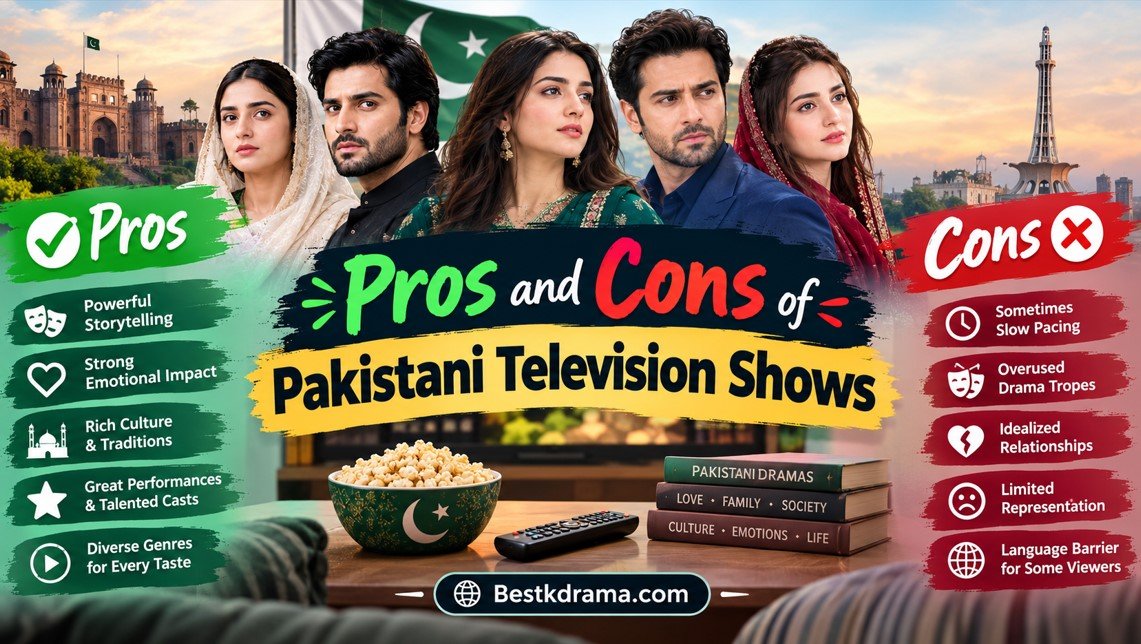
While the industry produces exceptional content, it is not without its flaws. Let us look at an honest evaluation.
Pros:
- Time-Saving: You can binge-watch an entire series over a weekend.
- Family-Friendly: They contain no explicit content, making them safe to watch in the living room with parents and children.
- Strong Female Protagonists: Women are shown pursuing careers, seeking education, and fighting for their rights in patriarchal setups.
- High Production Value: The cinematic quality, drone shots, and authentic locations make them visually stunning.
Cons:
- The Cousin Marriage Trope: A significant number of storylines revolve around inter-family marriages, which can feel repetitive and culturally alienating to some Indian viewers.
- Glorification of Toxicity: Sometimes, aggressive male behavior is masked as “intense love,” though recent shows are actively trying to fix this.
- Genre Limitations: The industry leans heavily into family drama and romance. There is a lack of sci-fi, horror, or high-octane action thrillers.
The Cultural Impact: Breaking Boundaries Through Screens
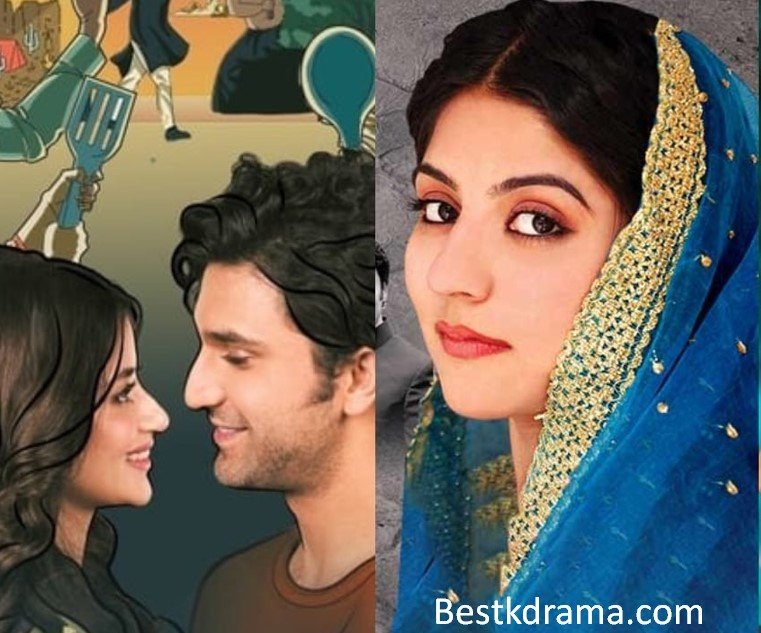
Art has a unique way of bypassing political borders. For decades, the media has painted a specific, heavily politicized image of the neighboring country. However, watching a Pakistani drama offers Indian citizens a window into the actual, everyday lives of average people across the border.
When an Indian viewer watches these shows, they realize the striking similarities. We eat similar food, we respect our elders the same way, our weddings are equally loud and chaotic, and our mothers worry about the exact same things. The shared heritage of undivided India still echoes in the living rooms of both nations.
These television shows serve as an incredibly effective tool for cultural diplomacy (soft power). They humanize the “other side.” When you cry for a character from Lahore, or hum a tune created in Karachi, the geographical borders temporarily vanish. It proves that despite historical conflict, the cultural and emotional DNA of the subcontinent remains intertwined.
Frequently Asked Questions (FAQs)
1. Why are Pakistani dramas so popular in India?
They offer a refreshing break from unending daily soaps. Indians love the realistic acting, concise 30-episode formats, beautiful Urdu dialogue, relatable family dynamics, and soulful background music.
2. Are Pakistani dramas legally available in India?
Yes. You can watch almost all new and ongoing shows entirely free on YouTube via official channels like ARY Digital, Hum TV, and Har Pal Geo.
3. What is the average length of a Pakistani show?
Most shows range between 25 to 35 episodes. A single episode is typically 35 to 40 minutes long without commercials.
4. Which is the most watched Pakistani drama in India?
Historically, Humsafar and Zindagi Gulzar Hai hold the record. In recent years, Tere Bin, Mere Humsafar, and Kabhi Main Kabhi Tum have broken YouTube viewership records in India.
5. Do I need to know pure Urdu to understand them?
Not at all. The conversational language used is highly similar to everyday Hindi. While there are some poetic Urdu words, the context makes them very easy to understand for any Hindi speaker.
6. Are these shows suitable for family viewing?
Absolutely. The content is heavily regulated and deeply rooted in modesty. There is zero explicit content, making them perfectly safe for joint family viewing.
7. Why do they wear regular clothes instead of heavy designer wear?
Directors focus on realism. If a character is sleeping or cooking in the kitchen, they wear simple, breathable cotton clothes. This realistic aesthetic is actually one of the main reasons Indian viewers love the shows.
8. Do Pakistani actors work in India?
In the past, actors like Fawad Khan, Mahira Khan, and Sajal Aly worked in major Bollywood films. While political bans have halted physical collaborations, digital love and fan clubs continue to thrive across borders.
Final Thoughts
The magic of a Pakistani drama lies in its simplicity. By stripping away the noise, the fake glamour, and the endless plot twists, these shows return to the basics of storytelling: human connection. They remind us that good television does not need a thousand episodes to make an impact; it just needs a soul.
Whether you are seeking a heartwarming romance, a gripping social narrative, or just some beautiful poetry to calm your mind after a long day, there is a show waiting for you. As the industry continues to evolve with bigger budgets and fresh young talent, the bond between Pakistani storytellers and Indian audiences is only going to grow stronger.
So, grab a cup of chai, open YouTube, and hit play on your very first episode. Be warned, though—once you experience the charm of these limited series, you might never go back to regular daily soaps again.